Why Theme Parks Need Better Mascot Training (And What It’s Costing Them)
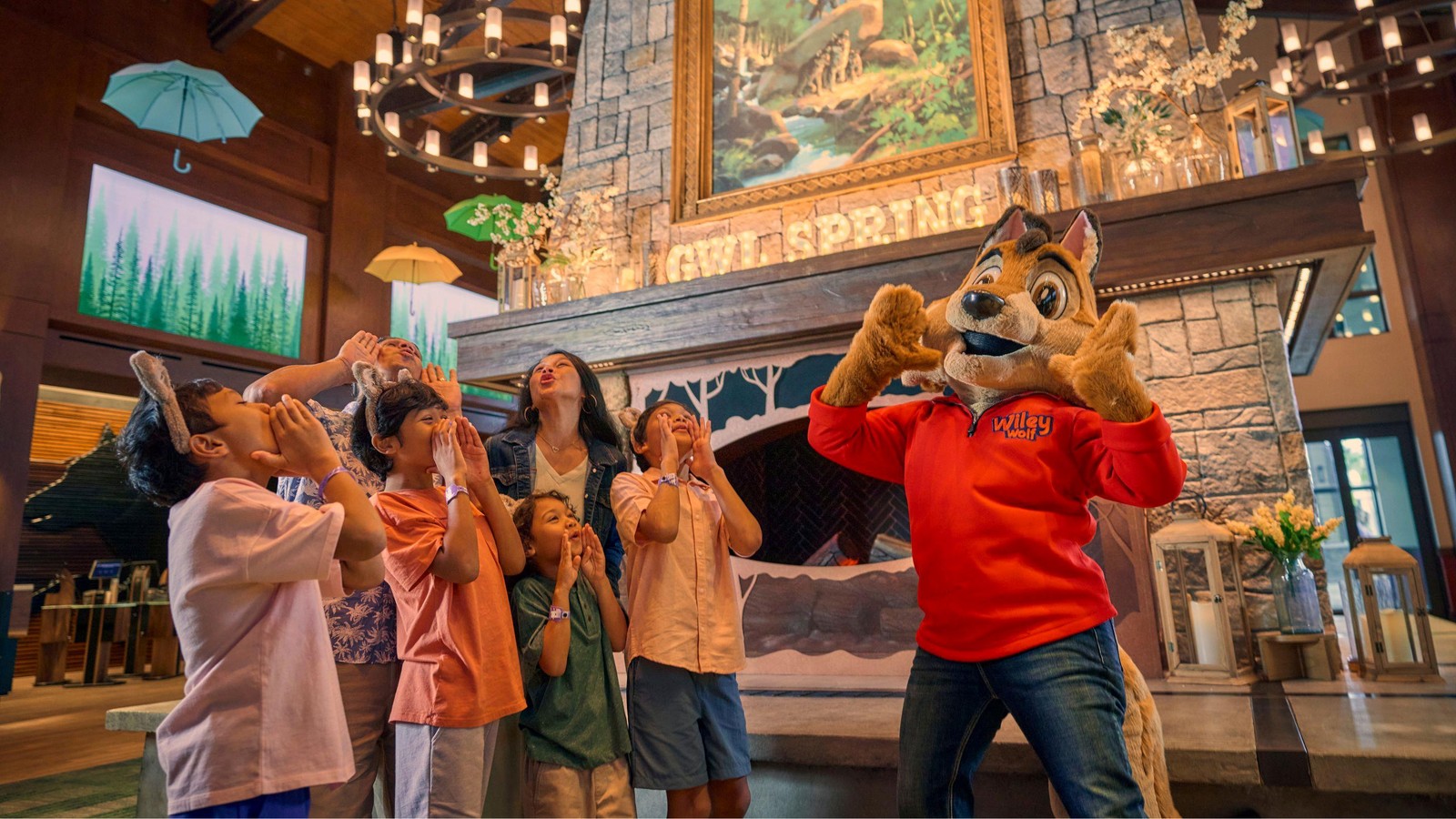
In 15+ years of training character performers, I’ve worked with over 100 mascot performers across theme parks, corporate events, sports clubs, and marketing agencies. And I’ll be honest: the state of mascot training in most organisations is concerning.
The Three Biggest Gaps
1. Safety is an afterthought. Most organisations hand someone a costume and say “have fun out there.” They don’t cover heat management, limited visibility protocols, emergency procedures, or how to safely handle enthusiastic (and sometimes aggressive) crowds. This is a lawsuit waiting to happen.
2. Character consistency is non-existent. Your mascot is a physical embodiment of your brand. When different performers wear the same costume but behave completely differently, it confuses audiences and dilutes brand impact. Great character performance requires training in specific movement patterns, interaction styles, and personality traits.
3. Crowd interaction skills are assumed. Being friendly and being trained in professional crowd interaction are very different things. A trained performer knows how to read a crowd, manage queue lines, handle crying children, deal with adults who’ve had a few drinks, and maintain energy across a 4-hour shift.
What It’s Actually Costing You
Poor mascot training costs organisations in ways they don’t always see: insurance claims from heat-related incidents, negative social media from bad character interactions, costume damage from improper use (those costumes cost thousands), and the invisible cost of missed engagement opportunities.
A single viral video of a mascot behaving badly can cause more brand damage than the entire training budget would have cost. Prevention is always cheaper than cure.
The Solution
Professional mascot training isn’t expensive — it’s essential. A structured programme covering safety, character portrayal, crowd management, and costume care can be implemented in a single day. The ROI is immediate and measurable: fewer incidents, better audience feedback, longer costume lifespan, and performers who actually enjoy the work.